_edited.jpg)
About Us
The Midwest Center for Breastfeeding and Postpartum Medicine was founded to provide comprehensive and compassionate support to families navigating challenges related to breastfeeding and the postpartum period.
We are modeled after our sister direct primary care practice Tallgrass Osteopathic Family Medicine. Direct Care takes the middleman out of healthcare and connects physician directly with patient. We do not accept insurance because we are then able to provide more timely, comprehensive and accessible care than the insurance-based system allows. The monthly membership is designed to provide easy access to breastfeeding medicine physicians to guide families through the challenges they face through the first year of life and beyond. Patients text, email, join our weekly group and attend visits all included in an affordable monthly plan.

Meet the Team
.jpg)
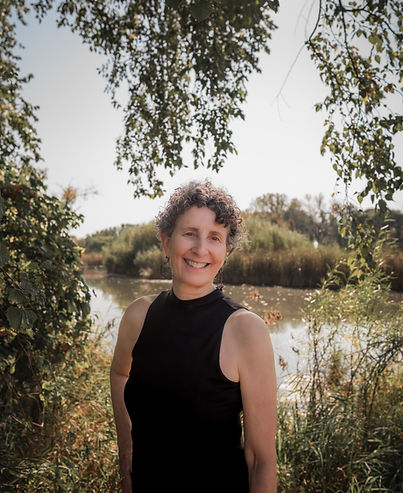
Anne Eglash, MD, NABBLM-C, IBCLC
Dr. Anne Eglash (she/her) is excited to provide direct primary care at Midwest Center and Tallgrass. In addition to family medicine, she has been practicing breastfeeding and lactation medicine since 1994.
Dr. Eglash is a cofounder of the Academy of Breastfeeding Medicine, the Medical Director and cofounder of the Mothers’ Milk Bank of the Western Great Lakes, and was the Medical Director of the University of Wisconsin Breastfeeding and Lactation Medicine Clinic. She has published many peer-reviewed articles on breastfeeding medicine and is a past associate editor for Breastfeeding Medicine Journal.
Dr. Eglash is founder and president of The Institute for the Advancement of Breastfeeding and Lactation Education (IABLE), as well as a cofounder, inaugural president, and immediate past-president of the North American Board of Breastfeeding and Lactation Medicine.
Listen to her Breastfeeding Medicine Podcast!
In her free time she enjoys exercising, cooking, knitting, being a dog-mother, and Latin dancing.
.jpg)
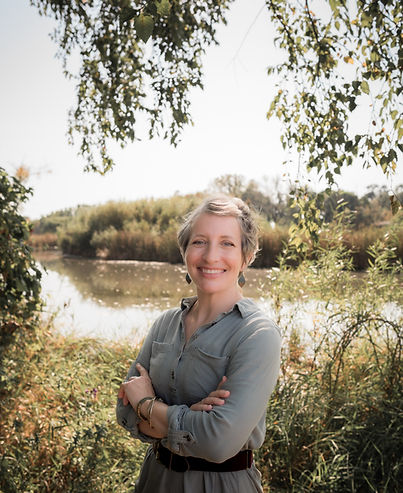
Angela Marchant, DO, IBCLC
Dr. Angela Marchant (she/her) became a physician to be a healer. She trained at AT Still School of Osteopathic Medicine Arizona where she completed a predoctoral fellowship in Osteopathy and Anatomy. She pursued residency training at University of Wisconsin Madison in family medicine. After several years in practice at a community health center providing full spectrum family medicine care including obstetrics, she founded Tallgrass Osteopathic Family Medicine to create a practice that is sustainable for her patients, herself and our planet. Breastfeeding medicine combines all of Dr. Angela's interests: whole person, whole family care, augmenting nature's healing forces (milk!), and osteopathic manual medicine. She is grateful to be practicing alongside Dr. Eglash, a mentor and friend, and truly integrate family medicine with breastfeeding medicine in a model that best serves our patients and community.
In her freetime Dr. Angela loves gardening, yoga, exploring remnant prairies, and playing with her two young kiddos, especially in their treehouse.
.jpg)
Sarah Hinkley, MSW
Sarah (she/her) is the "Caretaker" of Tallgrass Osteopathic Family Medicine and The Midwest Center for Breastfeeding Medicine. She helps make sure the day to day administrative operations of the practice are running optimally. She also enjoys the opportunity to genuinely support and connect with patients in the day-to-day as well as through life coaching sessions. Sarah is proud to work at a place that deeply values the inherent dignity of human beings and holistic healing. She is excited to be a part of shifting the way we care for ourselves and our community. In her free time, Sarah enjoys spending time with her teenager, reading, bike riding and facilitating group gatherings and one-on-one inquiries with people going through major life transitions.
What is Breastfeeding & Lactation Medicine?
Breastfeeding and Lactation Medicine (BFLM) is a specialized branch of medicine focused on the science and art of breast/chestfeeding, which has recently established board certification. Physicians specializing in Breastfeeding and Lactation Medicine apply their in-depth knowledge of anatomy and physiology with their medical knowledge and medical practice experience to diagnose and treat root causes of lactation difficulties, while also addressing the challenges posed by the intersection of parent or infant illness during lactation. Their expertise enables them to offer evidence-based recommendations tailored to the unique needs of each family. For instance, studies show that parents who receive specialized support are 60% more likely to meet their feeding intentions than those without expert support.
Though breastfeeding is a natural biological process, many parents face challenges that can complicate their experience and success. Breastfeeding Medicine physicians are prepared to support a wide breadth and depth of challenges, including:
Maternal/Parental Medical Conditions
A wide variety of medical issues, including a history of breast surgery, breast cancer, metabolic, or hormonal imbalances can impact milk production. Certain medications can also lead low production. A breastfeeding medicine specialist can evaluate these conditions and suggest personalized strategies to optimize milk production.
Granulomatous Mastitis
Granulomatous mastitis is an inflammatory disease of the breast that occurs mainly in individuals who have been or are pregnant or breastfeeding. This typically presents as painful masses, mastitis and/or abscess. We specialize in the care of this disease process, and often coordinate with other specialists to provide evidence-based compassionate care for this difficult disease.
Premature Birth
Babies born before their due date often struggle with latching and feeding, while parents of NICU infants are challenged with milk production, pain and /or medical conditions affecting lactation. With appropriate guidance, along with evidence-based management of fortification, parents can successfully establish exclusive feeding at the breast. For example, research indicates that early lactation management can increase breastfeeding rates in preterm infants by up to 50%.
Low Milk Production
Low milk production is real for approximately 10-15% of the population. As physician specialists in this field, we have an in-depth understanding of the underlying causes. We offer evaluation and management strategies to optimize milk production, while dispelling common myths. For example, we don't consider triple feeding (nursing/pumping/supplementing) a viable or necessary strategy to increase milk production over time.
Breast and/or Nipple Pain
Many parents experience discomfort, pain, or inflammation while breastfeeding. Breastfeeding medicine physicians can assess the root cause of these issues, such as poor latch, infection, edema, overproduction, and neurovascular conditions, while recommending effective interventions. Dr. Eglash is a co-author on the Mastitis Spectrum Protocol published by the Academy of Breastfeeding Medicine
Infant Feeding Difficulties
A variety of infant conditions can impact feeding at the breast, such as musculoskeletal disorders (eg torticollis, retrognathia), nasal congestion, gastro-esophageal reflux, food protein sensitivities, vocal cord abnormalities, etc. As physicians experienced in infant care, we can identify disorders that may be associated with feeding difficulties. Dr. Marchant specializes in osteopathic medicine which has been shown to positively impact feeding skills among infants with musculoskeletal challenges.
Infant Health Disorders
Infant health issues, such as genetic metabolic or other genetic disorders can impact infant feeding. Some health concerns develop during lactation, including allergic proctocolitis, cows milk protein allergy, generalized fussiness at the breast, GERD, and other food protein sensitivities such as FPIES (food protein induced enterocolitis). As physicians who specialize in human milk feeding, we often care for families who need evaluation and on-going management of infant feeding in the context of these and other infant disorders.
Mental Health Concerns
Emotional well-being plays a vital role in breastfeeding success. Breastfeeding medicine physicians often support parents experiencing postpartum blues, postpartum depression, obsessive compulsive disorder, or postpartum anxiety, integrating mental health care into their diagnostic, treatment, and support plans.
What is direct care?
Truly patient-centered care
In the direct care model, we take insurance out of the influence of caring for patients and put the patient first. For an affordable monthly fee similar to a gym membership, we provide same day and next day visits and direct access to your doctor through texting, email and calls. There is no need to talk to several healthcare team members before reaching your physician. Through bypassing the "system," we are incentivized to take care of you the way you need instead of being limited by copays, high deductibles, phone-trees and electronic portal messages, insurance limiting number of visits or denying coverage.
While we do not accept insurance, you are welcome to use health savings accounts and we are happy to provide a superbill for out-of-network reimbursement.


What is Osteopathy?
Hands on bodywork to facilitate true healing.
Osteopathic manual medicine is gentle bodywork similar to craniosacral and myofascial release, from the precision of a physician. All DOs get 500+ hours training in osteopathic manipulative treatment (OMT) in addition to the rigors of standard medical school education. By adjusting structure to promote function, we find health, not disease.
Osteopathy can help resolve many challenges with feeding including tongue tie, torticollis, reflux, colic, plagiocephaly, birth trauma and overall tightness. It can benefit both parent and baby.
Dr Angela has been practicing osteopathy for fifteen years. She completed a predoctoral fellowship in osteopathy and antatomy under the mentorship of Dr. Deborah Heath and Dr. Victoria Troncoso. Additionally she has studied with Dr. James Jealous and Dr. Steve Kissiel, The Cranial Academy and The Osteopathic Center for Children.
In the words of a patient:
My son struggled with neck tension since birth and would only ever look to the left. After two-weeks of repositioning, I knew it wasn't going to resolve on its own, so I began taking him to a local chiropractor. The biweekly and then weekly appointments definitely helped release his tension and I saw him slowly getting better and feeling more comfortable. I could tell that there was still something a bit off, but I was confident when I finally got to my referral appointment with PT 4 months later that he would do fine. I was wrong. The PT said he was equally strong on both sides, but he had a cosmetic head/face asymmetry in two places that were 7mm and 8mm respectively. Because the asymmetry was cosmetic and not structural, he did not qualify for a helmet and even if he would have, I was desperate to avoid one. After the appointment, I knew I needed to search for something else to help my son. My own mother had heard of osteopathy / craniosacral therapy and suggested that I look into it since the chiropractor visits, while improving the issue, were not resolving it.
I found Tallgrass and Dr. Angela through a desperate, late-night Google search. I read through her website and was impressed with her reviews, so I booked a consultation that evening and, incredibly, was able to talk with her the very next morning! She listened thoughtfully to my story and said she thought she could help, so I booked an appointment and was able to be seen just a week later! I loved how she spoke to my son, even though he's too young to respond and how she explained everything that she was doing. She was very kind and happy to answer all of my questions. After our second appointment, which was a month after the initial one, she said that unless I observed any other issues, my son did not need any further appointments. I very much appreciated her candor in this assessment and that she did not try to drag out the treatment like other providers I've been to.
Three months after that dreadful PT appointment, I had a follow-up scheduled to check on my son's progress and have his measurements redone. His asymmetry went from 7 and 8mm to 1 and 2mm respectively. For reference, anything below 3mm is considered normal. The results speak for themselves. Dr. Angela solved in just two appointments what couldn't be solved in 20+ appointments with another provider. If you think Dr. Angela can help you, do not hesitate any longer to reach out! I cannot recommend her enough!
